

The Gulf, where desert memory, seafaring culture and hyper-modern cities meet.
This is a regional encyclopedia rather than a single-country guide. Compare six Gulf states through culture, language, hospitality, government, currencies, city life, desert landscapes and the practical travel differences that matter once you arrive.
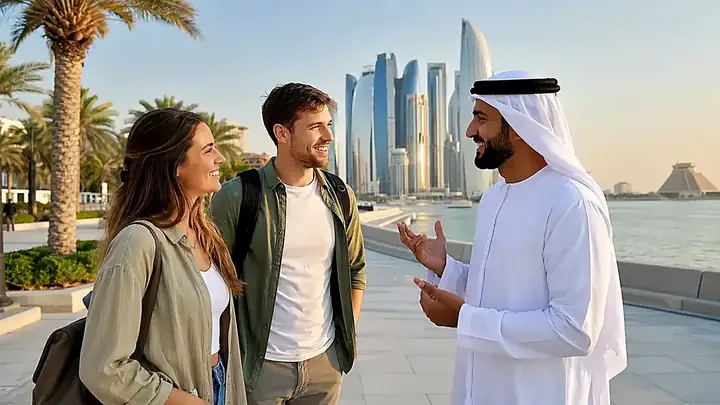
Know the place before you plan the route.
Capital, language, currency, time zone and the essentials that help the destination make sense at a glance.
A destination makes more sense when you understand what shaped it.
What the Gulf means here
EasyArabicNow uses “The Gulf” for the six GCC states. They share important cultural patterns but are not interchangeable. Saudi Arabia, Oman, the UAE, Qatar, Bahrain and Kuwait each have distinct histories, accents, city forms and travel rhythms.
People & communities
Gulf societies combine local Arab communities with very large expatriate populations in several states. South Asian, Southeast Asian, African, European and other communities shape everyday language, food and service culture alongside Gulf Arab traditions.
Hospitality
Coffee, dates, the majlis and generous hosting remain powerful cultural reference points. Visitors are not expected to imitate local customs, but greetings, modest dress in appropriate settings and respect for hosts are noticed.
Flag & government
Each state has its own flag, ruler and political structure. The UAE is a federation; Saudi Arabia and Qatar are hereditary monarchies; Oman is a sultanate; Bahrain and Kuwait have their own constitutional arrangements.
Open the country one layer at a time.
Geography, cities, language, food, transport and the landscapes that define a first trip.
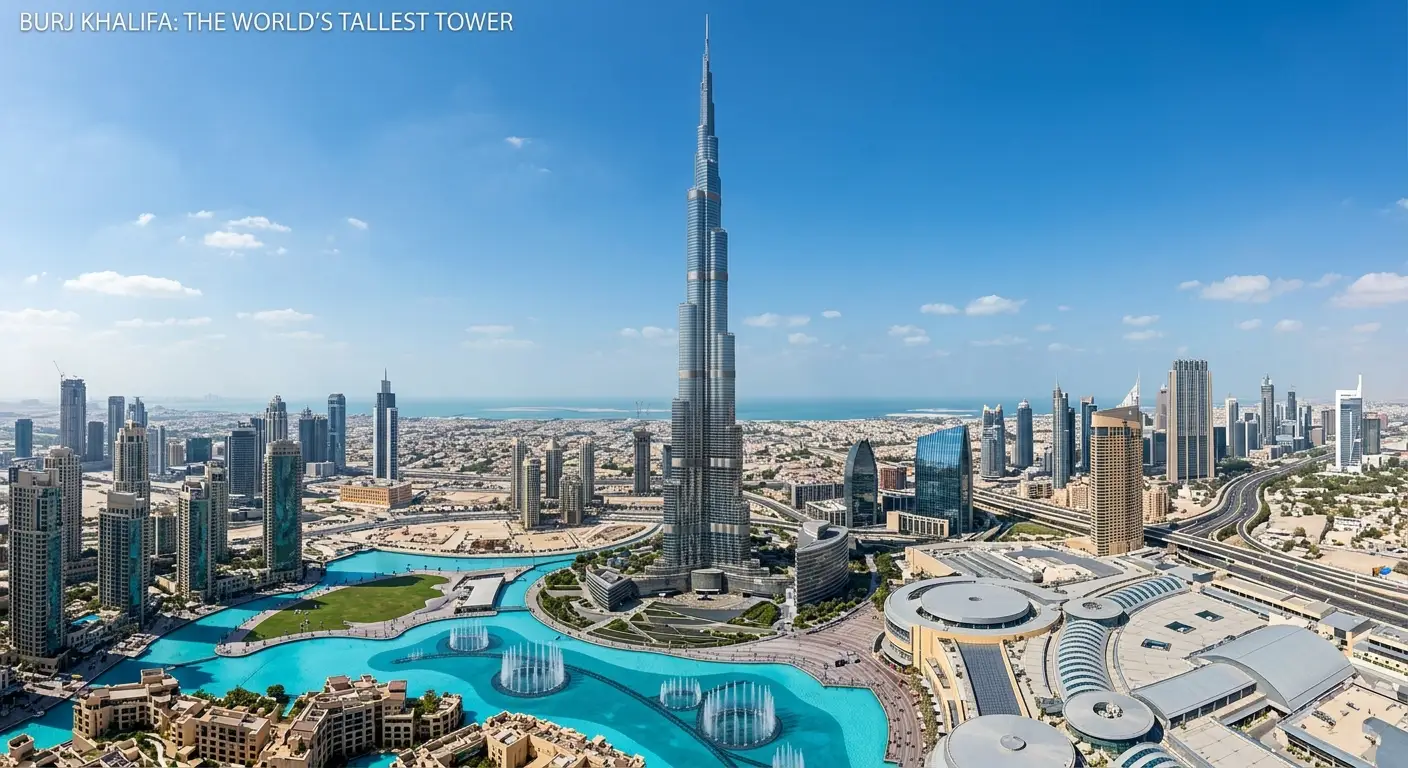
Skylines are only half the story
Dubai, Abu Dhabi, Doha, Riyadh, Jeddah, Muscat, Manama and Kuwait City are modern urban centers, but the most rewarding trips combine downtown landmarks with old ports, souqs, historic districts and nearby landscapes.
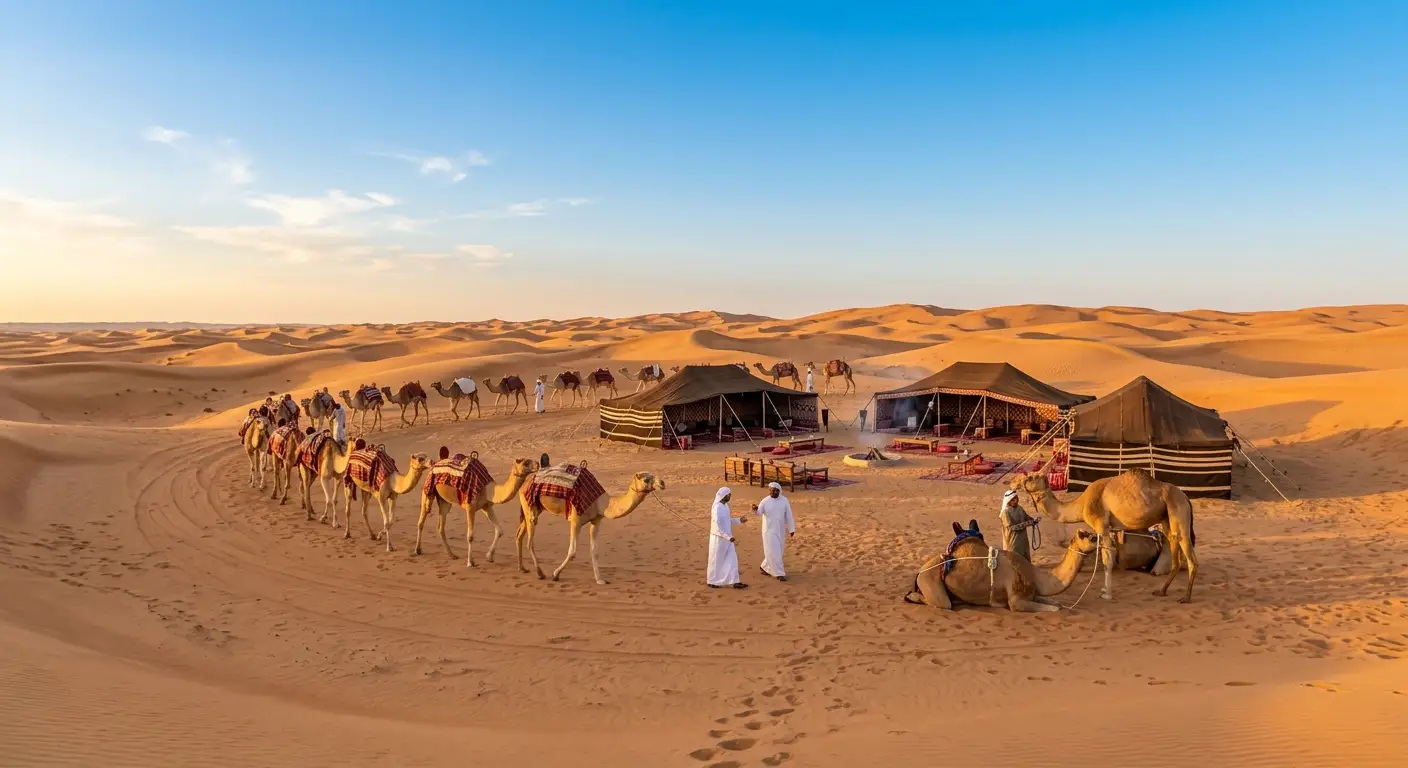
The landscape changes sharply between states
Dune deserts define many first impressions, but Oman’s Hajar Mountains and wadis, Saudi Arabia’s sandstone landscapes and AlUla, the UAE’s oases and Qatar’s inland sea show how varied the region becomes once you leave the skyline.
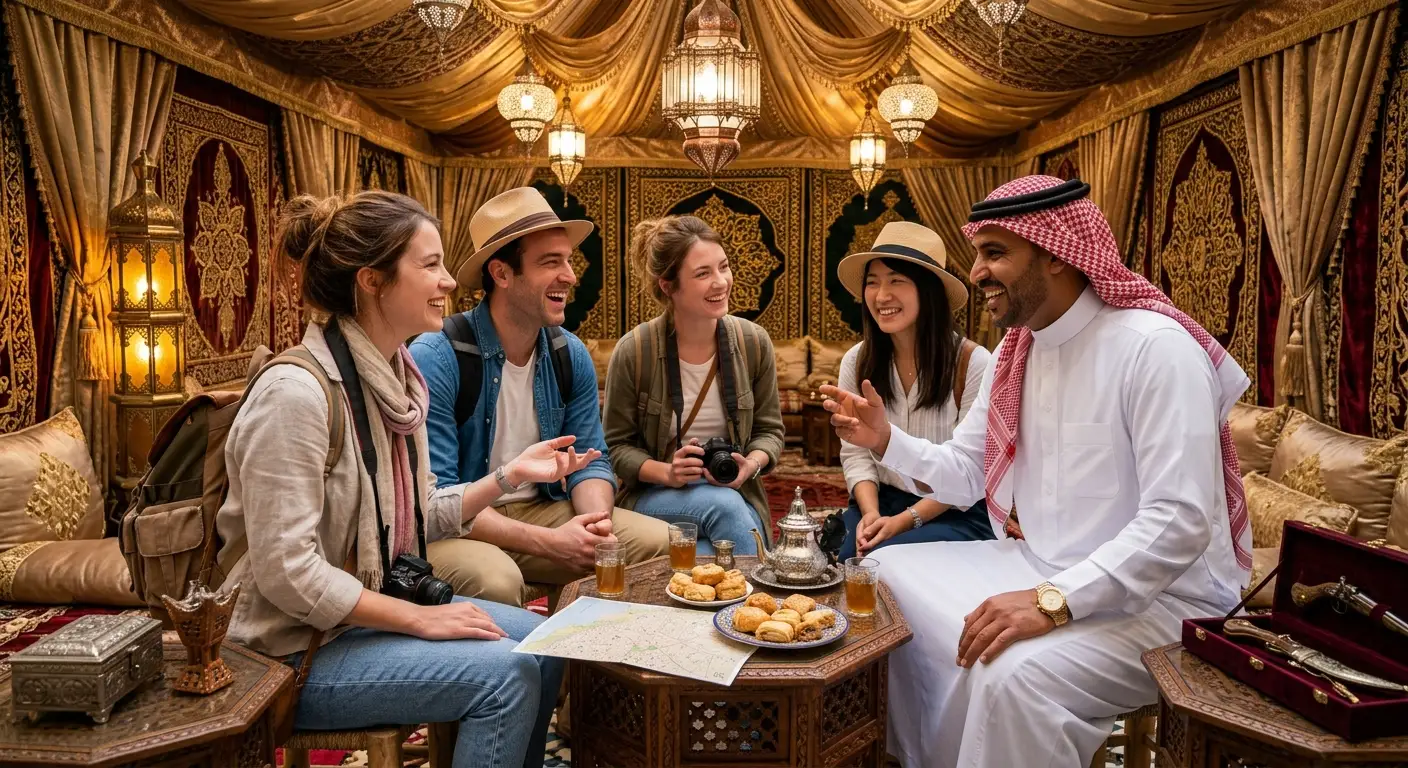
English is common, but Gulf Arabic changes the social temperature
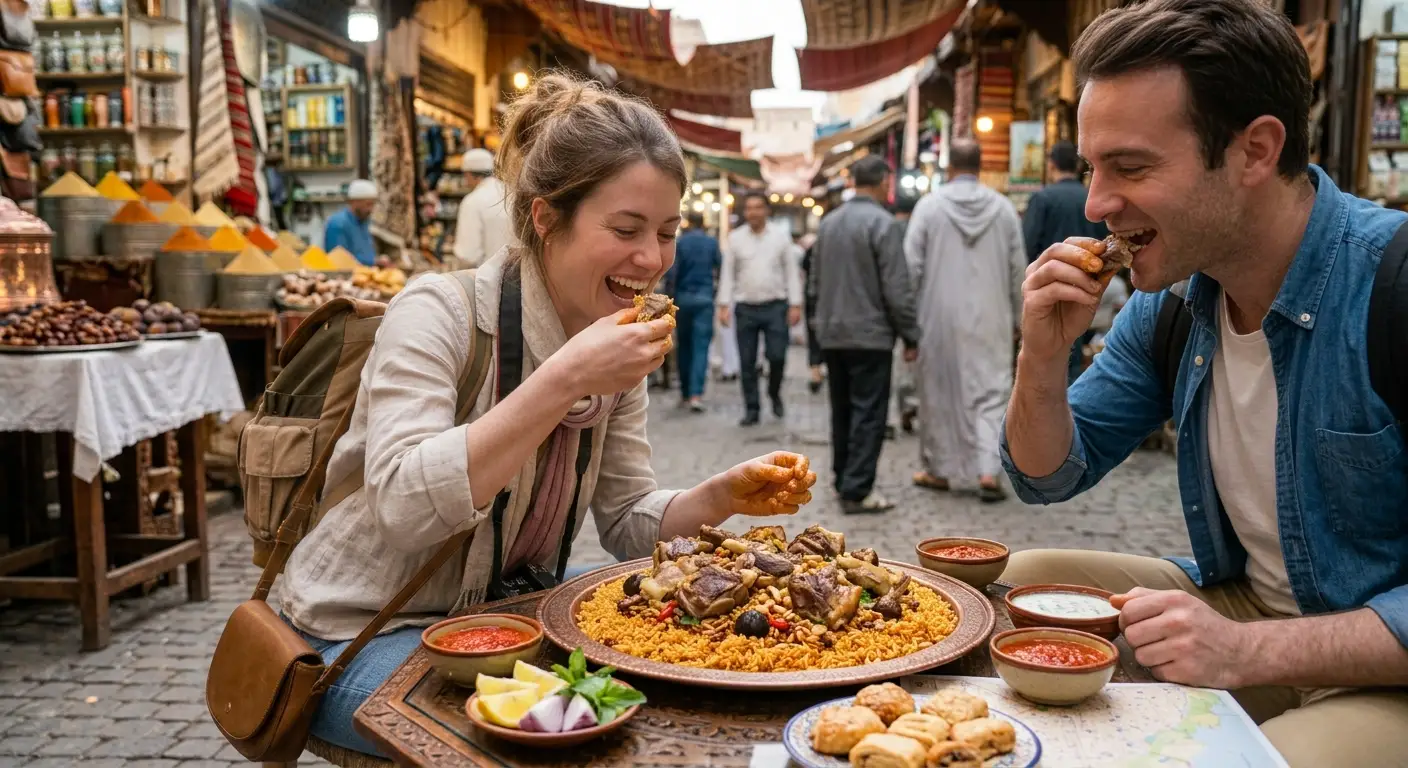
English is widely used in major cities and tourism. Gulf Arabic varies across the peninsula, yet simple greetings and courtesy phrases often create a warmer interaction, especially in traditional markets, taxis and local hospitality settings.
Modern does not mean culturally neutral
Dress expectations are generally relaxed in tourism districts but more conservative in religious, governmental and traditional settings. Hospitality, right-hand etiquette, Ramadan rhythms and sensitivity around photography are worth understanding before arrival.
Coffee, dates and shared plates carry meaning
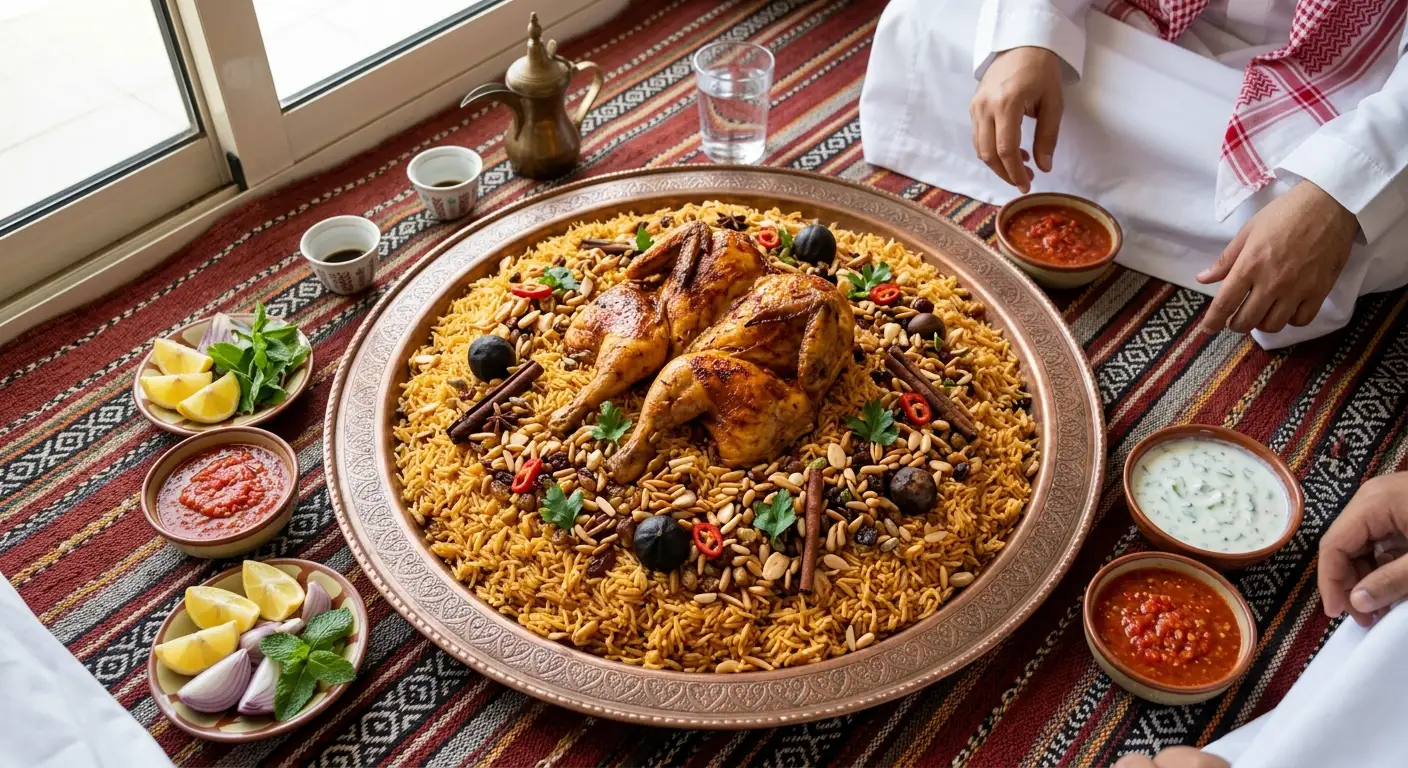
Machboos, grilled meats, seafood, rice dishes, breads and regional sweets sit beside enormous international dining scenes. Traditional Arabic coffee and dates remain strong symbols of welcome across the region.
Metro in some hubs, car culture almost everywhere
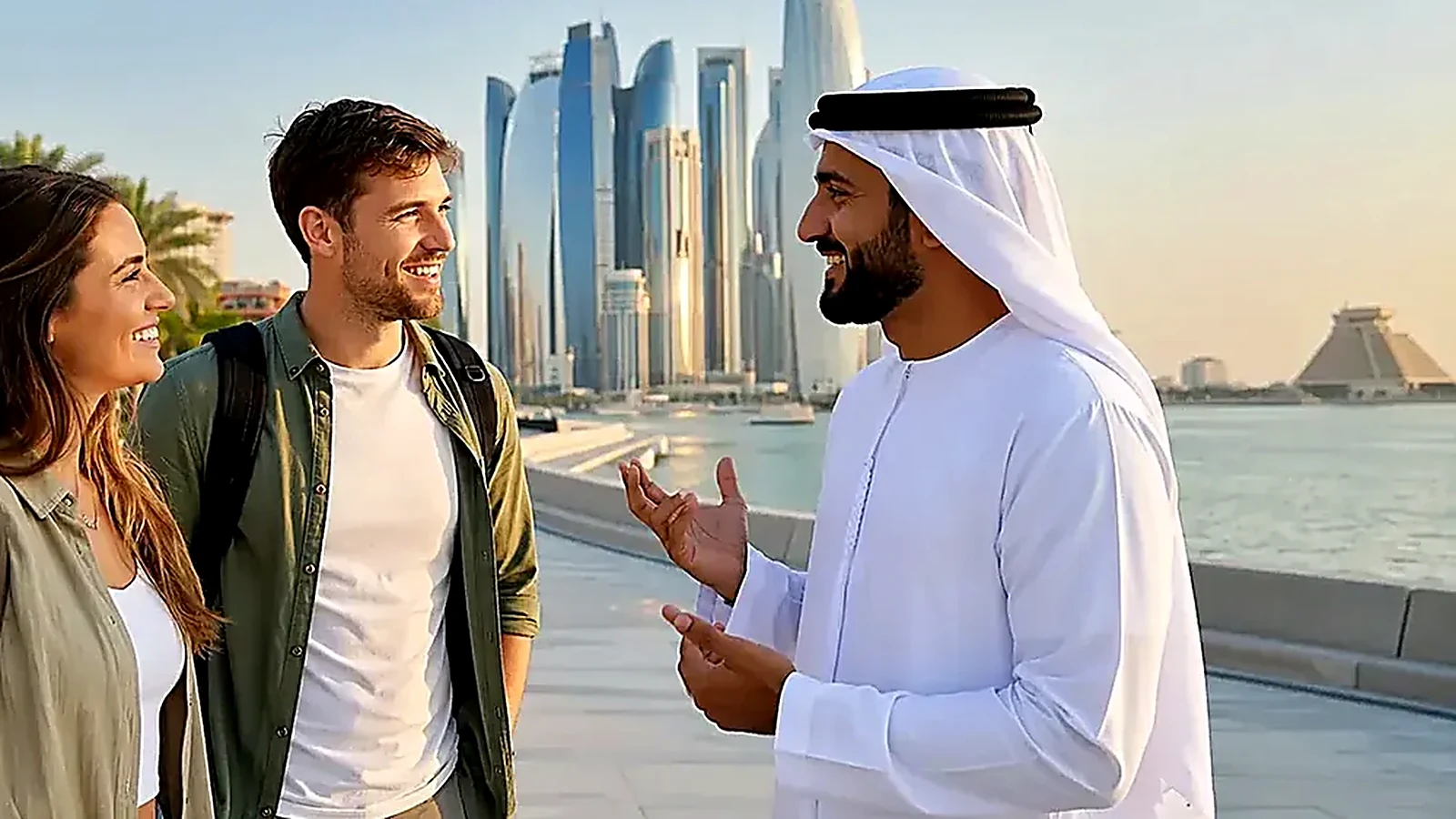
Dubai, Doha and parts of the region have excellent urban transit, while taxis and ride-hailing are common across major cities. For Oman, Saudi road trips and desert-edge routes, driving can unlock places that are difficult to reach otherwise.
What the currency feels like in your head.
The Gulf uses several national currencies. The reference conversions below make it easier to compare them at a glance.
Typical journey times from major English-speaking markets.
Times are approximate airborne/itinerary ranges. Season, airline, routing, wind and connection length can change the total substantially.
Places worth knowing before you build the itinerary.
You do not need a language course before this trip.
Save the phrases that solve real moments: taxis, hotels, restaurants, shopping, directions, emergencies and greetings. Say the phrase or show the Arabic card when clarity matters more than fluency.
The words make more sense with the food and culture around them.
Taste the Gulf
Continue with Gulf dishes, prices, coffee culture and practical dining etiquette.
Continue on ArabicFoodGuide 02 · CULTUREUnderstand the culture behind the words
Explore majlis hospitality, greetings and traditions that give everyday Gulf Arabic more context.
Continue on DailyWorldCultureThese are independent companion guides. Open them when they match the next question in your trip.