

Egypt, where ancient civilization and a restless modern country share the same horizon.
Use this mini encyclopedia to understand Egypt beyond a pyramid checklist: the Nile geography, modern Cairo, Egyptian identity, Masri Arabic, religion and hospitality, desert routes, Red Sea escapes, currency and realistic travel times.
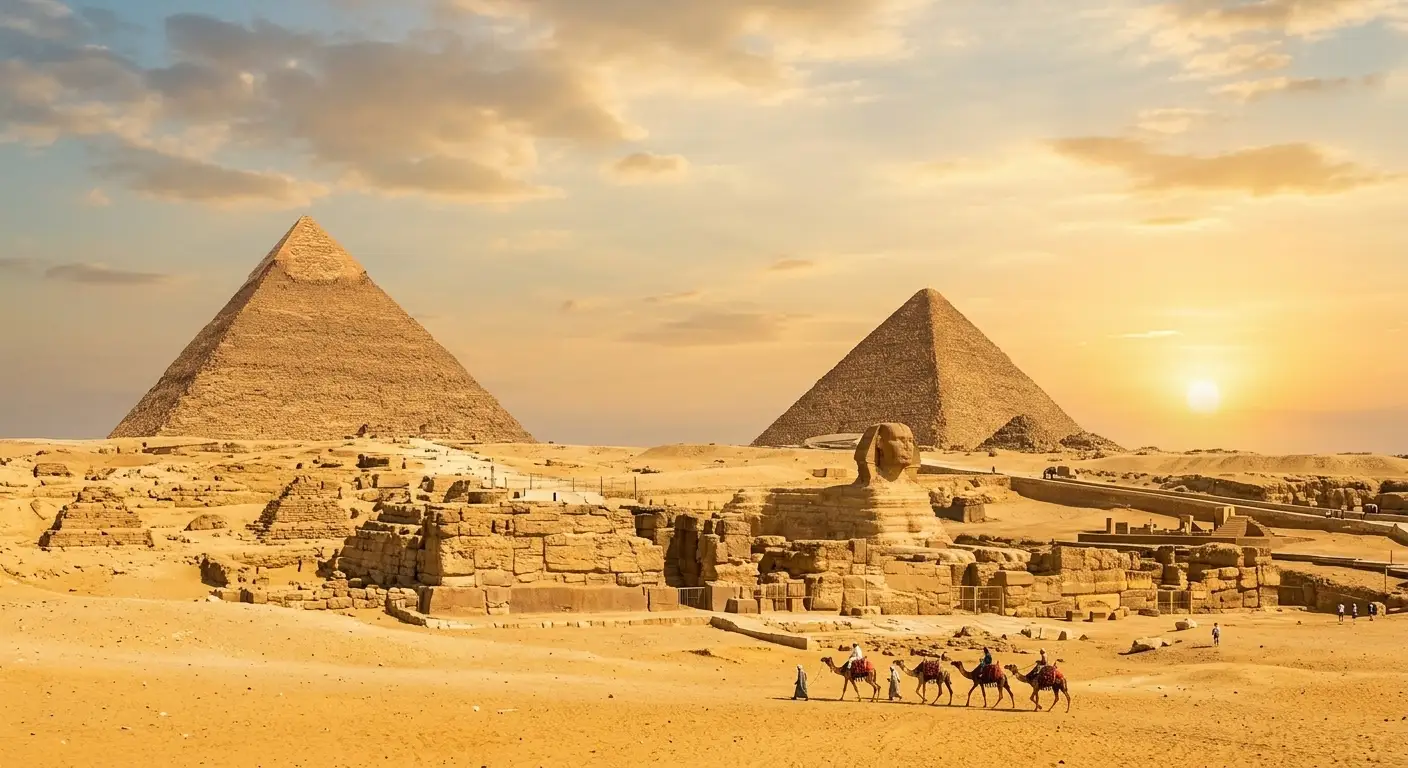
Know the place before you plan the route.
Capital, language, currency, time zone and the essentials that help the destination make sense at a glance.
A destination makes more sense when you understand what shaped it.
Where it is
Egypt bridges north-east Africa and Asia through the Sinai Peninsula. Most of the population lives close to the Nile and its delta, while enormous desert areas stretch east toward the Red Sea and west toward the Libyan border.
People & heritage
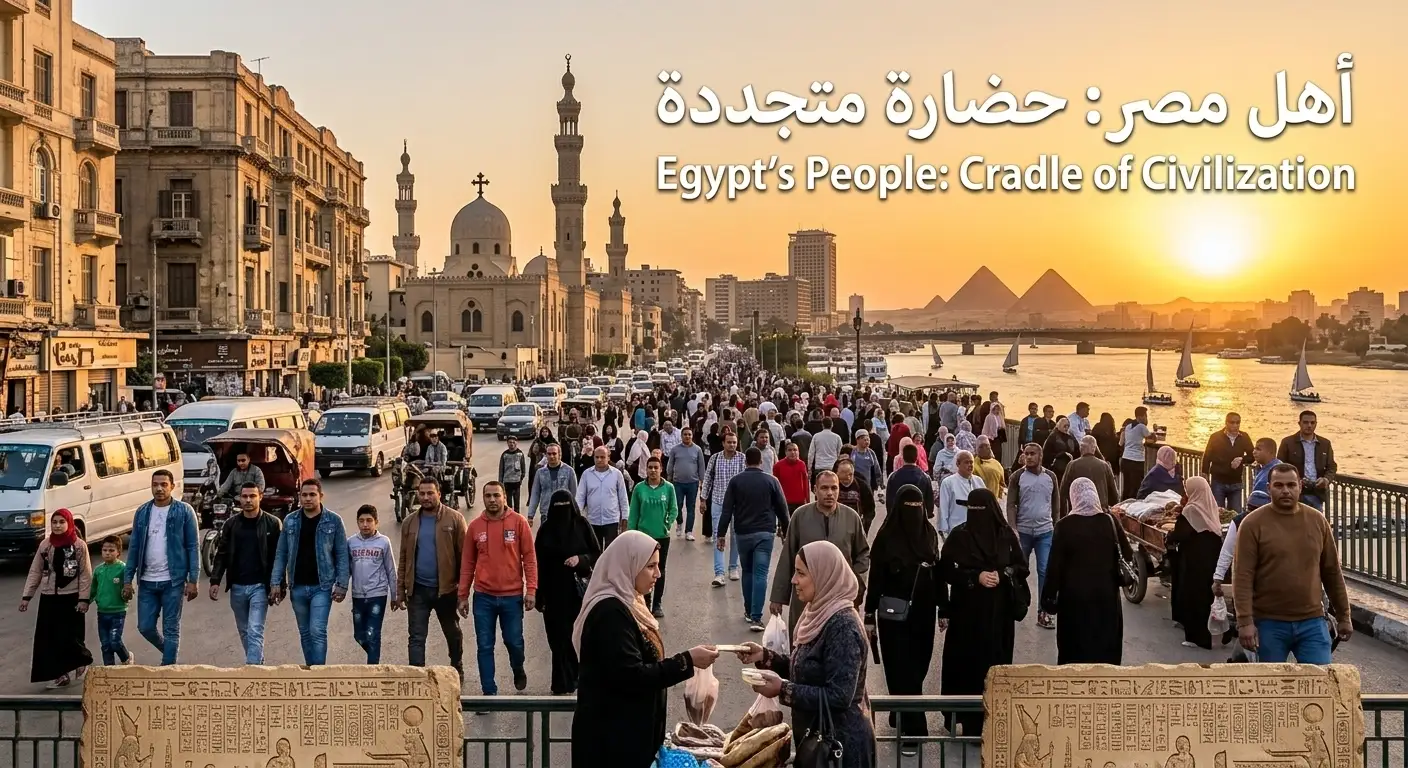
Egyptian identity draws on ancient, Arab, Islamic, Coptic, Mediterranean, African and modern national layers. Nubian, Bedouin and Siwi communities add distinct regional traditions, languages and landscapes.
Hospitality
Conversation comes easily in Egypt. Humor, questions and animated friendliness are part of social life, especially in Cairo. A greeting and one useful Egyptian phrase can turn a transactional moment into something warmer very quickly.
Flag & symbols
Egypt’s flag combines a red, white and black tricolor with the golden Eagle of Saladin. Visitors also associate the country with the Nile, pyramids, temples, feluccas, minarets and the desert horizon.
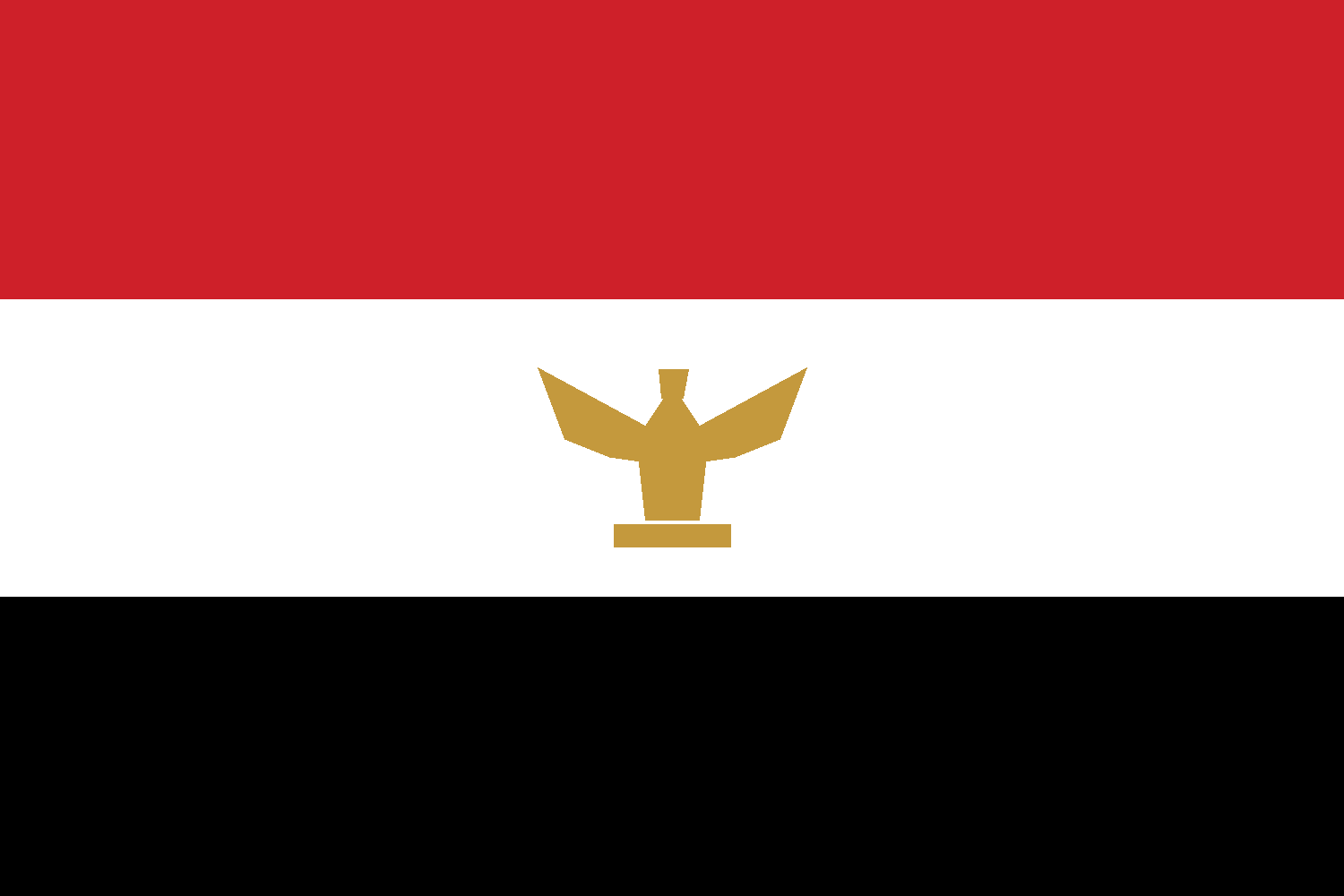
The tricolor recalls struggle, renewal and national dignity, while the white center keeps the composition bright and legible.
The Eagle of Saladin signals statehood, strength and continuity, making it one of the best-known visual symbols in Egypt.
Open the country one layer at a time.
Geography, cities, language, food, transport and the landscapes that define a first trip.
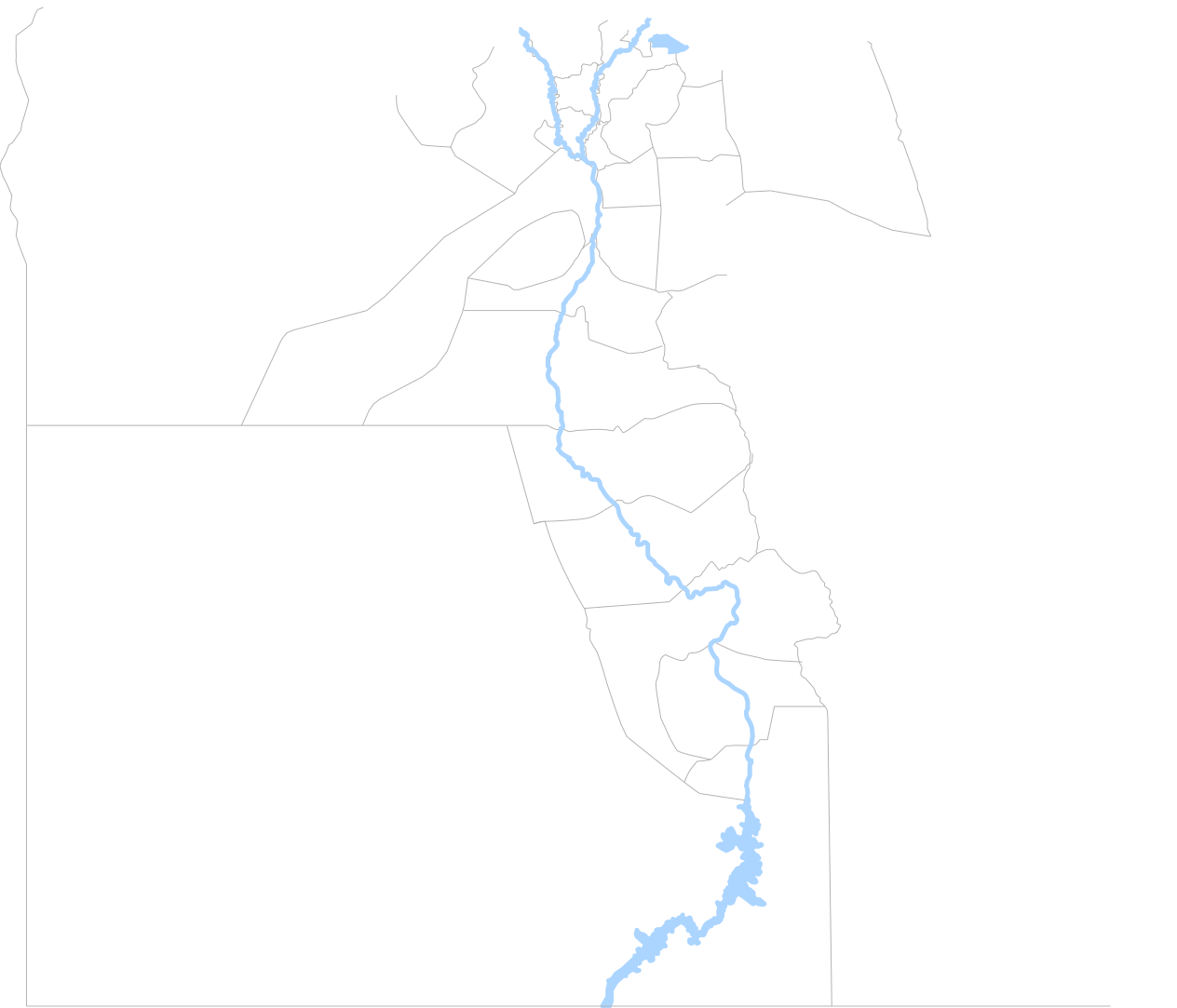
The Nile is the organizing principle
Look at a map and Egypt suddenly makes sense: a narrow green river corridor cuts through desert, opening into the Delta before reaching the Mediterranean. The Red Sea coast and Sinai create a second travel world of reefs, mountains and resort towns.
A megacity beside the last surviving ancient wonder
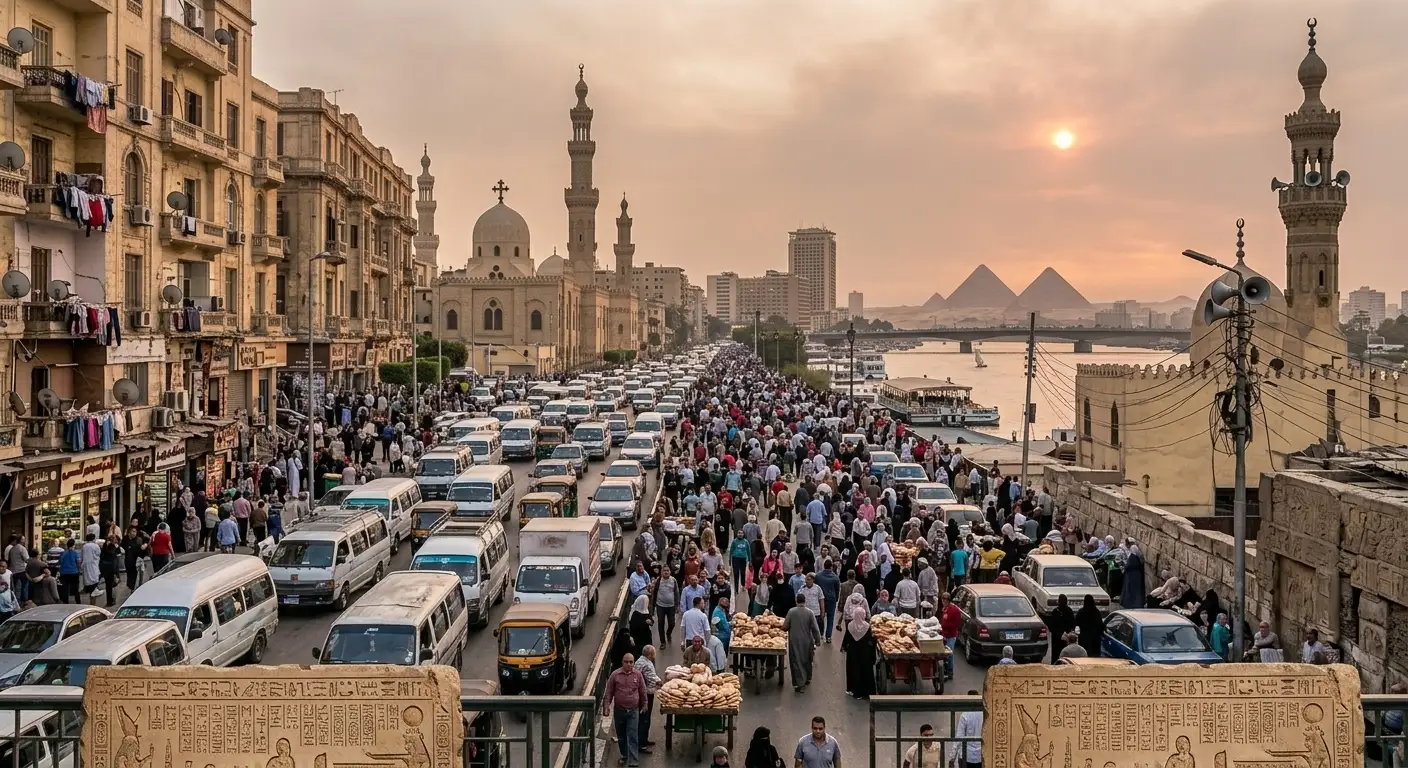
Cairo is not a museum city; it is a huge contemporary capital layered with medieval districts, modern neighborhoods, cafés, traffic and the Nile. Giza adds the pyramids, Sphinx and wider necropolis to the western edge of the metropolis.
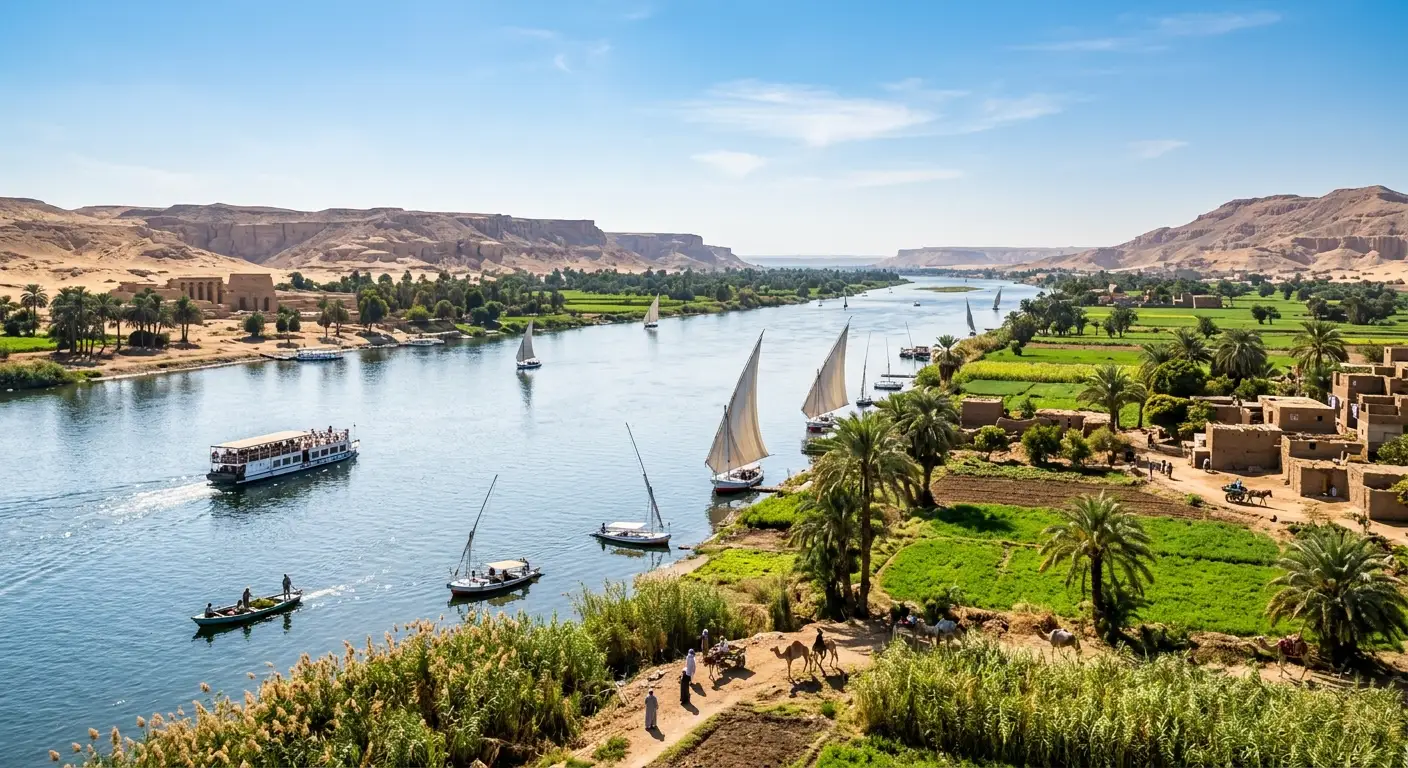
Luxor and Aswan turn history into geography
Upper Egypt is where temple complexes, tombs, river islands and agricultural villages make the connection between ancient monuments and the living Nile easiest to understand. Luxor, Aswan and Abu Simbel form the classic southern route.
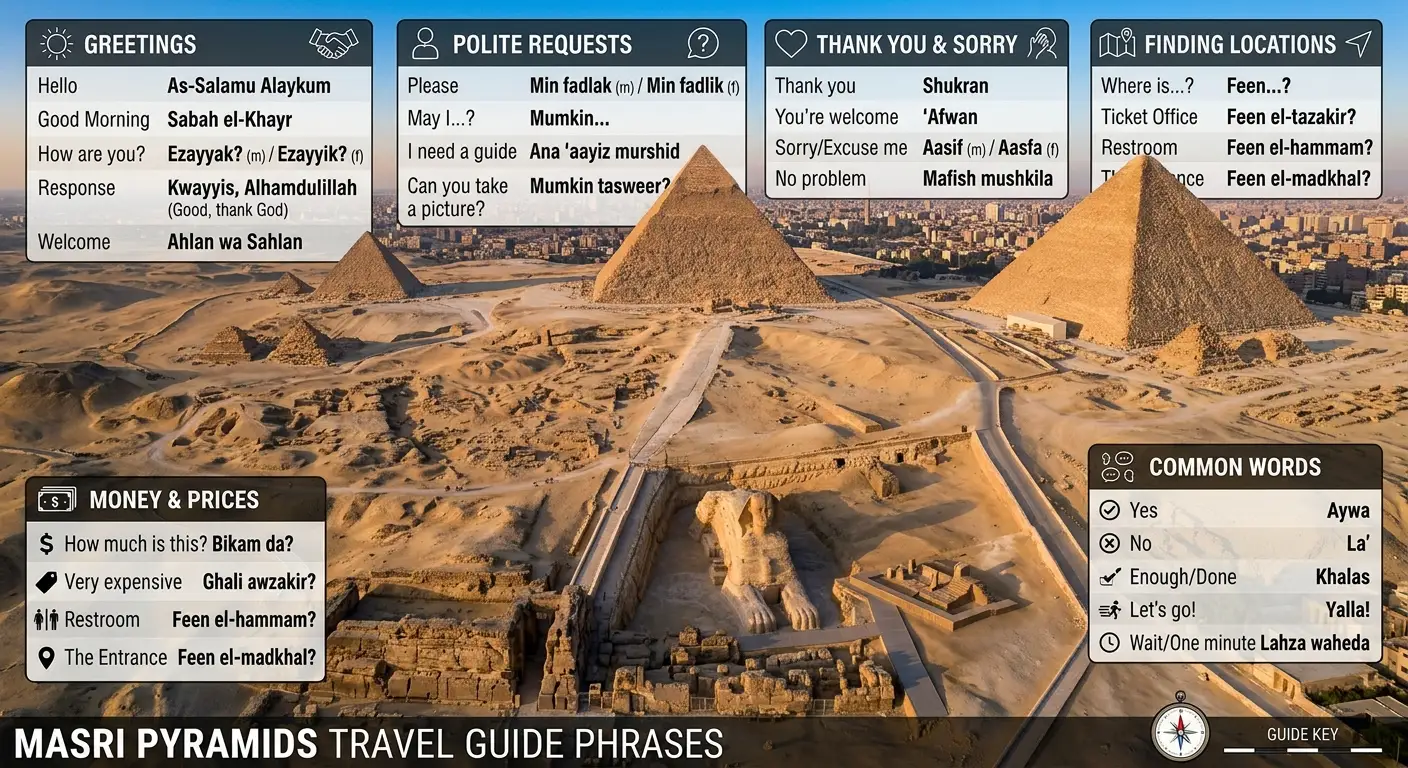
Masri is one of the Arab world’s most widely understood dialects
Egyptian Arabic dominates everyday conversation. Modern Standard Arabic appears in formal writing and news. English is common in many tourism settings, but a few Masri phrases are exceptionally useful in taxis, cafés and shops.
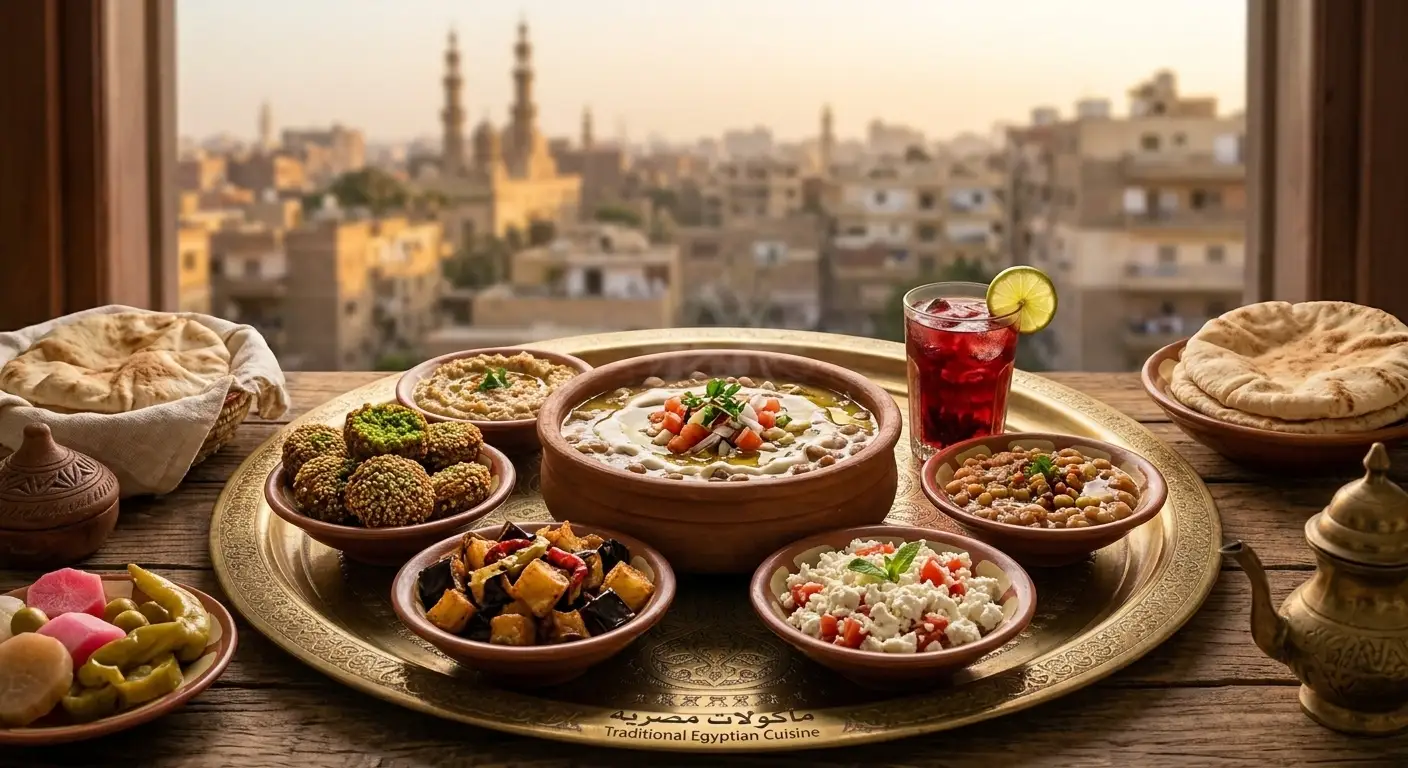
Street food can be as important as monuments
Koshari, ful, taameya, grilled meats, molokhia, breads and sweets give Egyptian cities a strong everyday food culture. Busy local places can be more memorable than formal dining, especially when you know how to order simply.
Red Sea, oases and deserts change the pace
Hurghada, Sharm el-Sheikh and the Red Sea offer diving and beach time; Siwa feels remote and oasis-based; the White Desert adds surreal limestone landscapes. Egypt works especially well when a dense history itinerary is balanced with slower days.
What the currency feels like in your head.
The Egyptian pound (EGP) is the national currency. The values below are approximate reference conversions and can move with the market.
Typical journey times from major English-speaking markets.
Times are approximate airborne/itinerary ranges. Season, airline, routing, wind and connection length can change the total substantially.
Places worth knowing before you build the itinerary.
You do not need a language course before this trip.
Save the phrases that solve real moments: taxis, hotels, restaurants, shopping, directions, emergencies and greetings. Say the phrase or show the Arabic card when clarity matters more than fluency.
The words make more sense with the food and culture around them.
Taste Egypt
Explore Egyptian dishes, realistic food-price context and restaurant habits before your trip.
Continue on ArabicFoodGuide 02 · CULTUREUnderstand the culture behind the words
Understand the social customs, hospitality and everyday context behind the Arabic you use.
Continue on DailyWorldCultureThese are independent companion guides. Open them when they match the next question in your trip.