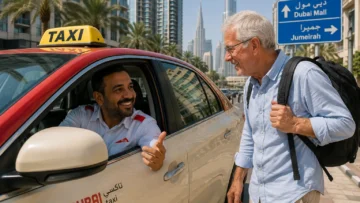
Dubai Arabic: 10 Gulf Phrases to Save Before You Land
Dubai is easy to navigate in English, but a few Gulf Arabic phrases can make everyday interactions feel much warmer. Use them with a taxi driver, hotel receptionist, cafe worker,...




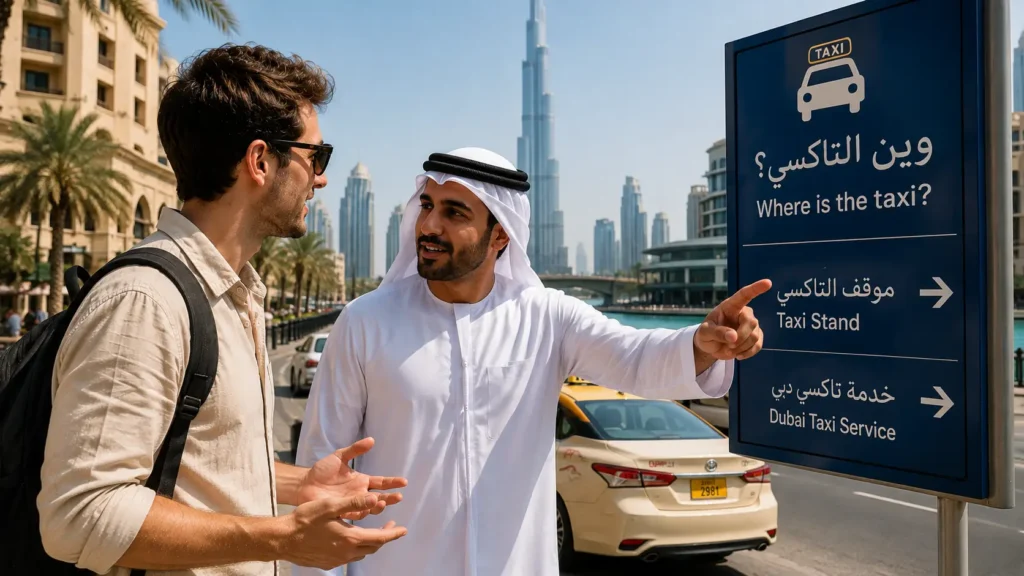
Dubai is easy to navigate in English, but a few Gulf Arabic phrases can make everyday interactions feel much warmer.
Use them with a taxi driver, hotel receptionist, cafe worker, or shopkeeper. You do not need to speak perfect Arabic. A short phrase, a smile, and a friendly tone are usually enough.
Save these 10 useful phrases before you land and try them during your trip.
10 Useful Gulf Arabic Phrases for Dubai
| Arabic | English | Pronunciation (Say it) |
|---|---|---|
| السلام عليكم | Hello / Peace be upon you | Assalam alaikum |
| مرحبا | Hello | Marhaba |
| لو سمحت | Please / Excuse me | Law samaht |
| مشكور | Thank you | Mashkoor |
| وين الحمام؟ | Where is the bathroom? | Wain el hammam |
| بكم هذا؟ | How much is this? | Bkam hatha |
| أبغي ماي، لو سمحت | I’d like water, please | Abghi mai law samaht |
| الحساب، لو سمحت | The bill, please | El hisab law samaht |
| وقف هني، لو سمحت | Stop here, please | Waggif hini law samaht |
| ممكن تساعدني؟ | Can you help me? | Mumkin tsaaedni |
Start With a Gulf Greeting
A classic greeting is السلام عليكم, meaning “Hello” or “Peace be upon you.” Say it: Assalam alaikum.
You can use it when entering a shop, meeting a driver, greeting hotel staff, or starting a conversation with someone local.
For something even simpler, say مرحبا, meaning “Hello.” Say it: Marhaba.
Both are friendly choices, and you do not need to turn the greeting into a long conversation.
Use Please and Thank You Often
One of the most useful expressions in Dubai is لو سمحت, meaning “Please” or “Excuse me.” Say it: Law samaht.
Use it when getting someone’s attention, asking a question, ordering at a cafe, or speaking to a taxi driver.
For thanks, you may hear مشكور, meaning “Thank you.” Say it: Mashkoor.
A simple thank-you after someone gives directions, carries your bag, or helps you at a counter is always useful.
At Cafes and Restaurants
When you want water, say أبغي ماي، لو سمحت, meaning “I’d like water, please.” Say it: Abghi mai law samaht.
The word for water may sound different from Arabic you have heard elsewhere, but mai is common and easy to remember in Gulf speech.
When you are finished eating, say الحساب، لو سمحت, meaning “The bill, please.” Say it: El hisab law samaht.
Try using the phrase yourself even when the server already speaks English. That small effort can make the exchange more personal.
In a Taxi
Dubai travelers spend plenty of time getting from one part of the city to another, so a stopping phrase is worth saving.
Say وقف هني، لو سمحت, meaning “Stop here, please.” Say it: Waggif hini law samaht.
You can point to the exact place at the same time.
If your driver speaks English, you can still try the Arabic first. Short phrases like this are often easier to remember when you connect them with a real moment.
Shopping and Finding What You Need
If you want to ask the price of something, say بكم هذا؟, meaning “How much is this?” Say it: Bkam hatha.
Use it in a shop, market, kiosk, or small store.
For the question every traveler eventually needs, ask وين الحمام؟, meaning “Where is the bathroom?” Say it: Wain el hammam.
You can use this at malls, restaurants, hotels, museums, and cafes.
When You Need Help
If you are lost, confused by a ticket, or trying to find a location, say ممكن تساعدني؟, meaning “Can you help me?” Say it: Mumkin tsaaedni.
Then show the person the address, booking confirmation, map, or place name on your phone.
You do not need to build a long Arabic sentence. A short request plus a gesture often communicates everything you need.
Enjoy Using the Words
Dubai is multilingual, so you may move between Arabic and English throughout the same day. That makes it an easy place to experiment with a few local phrases without pressure.
Start with مرحبا, meaning “Hello.” Say it: Marhaba. Remember لو سمحت, meaning “Please” or “Excuse me.” Say it: Law samaht. Finish with مشكور, meaning “Thank you.” Say it: Mashkoor.
Those three phrases alone can add a little more local connection to taxis, cafes, hotels, and everyday conversations across Dubai.
Travel information can change. Recheck important prices, schedules, entry rules, health requirements and local regulations with the relevant official source before relying on them.